

News
Inspirations
Hard water – what is it and why is it harmful?
Inspirations
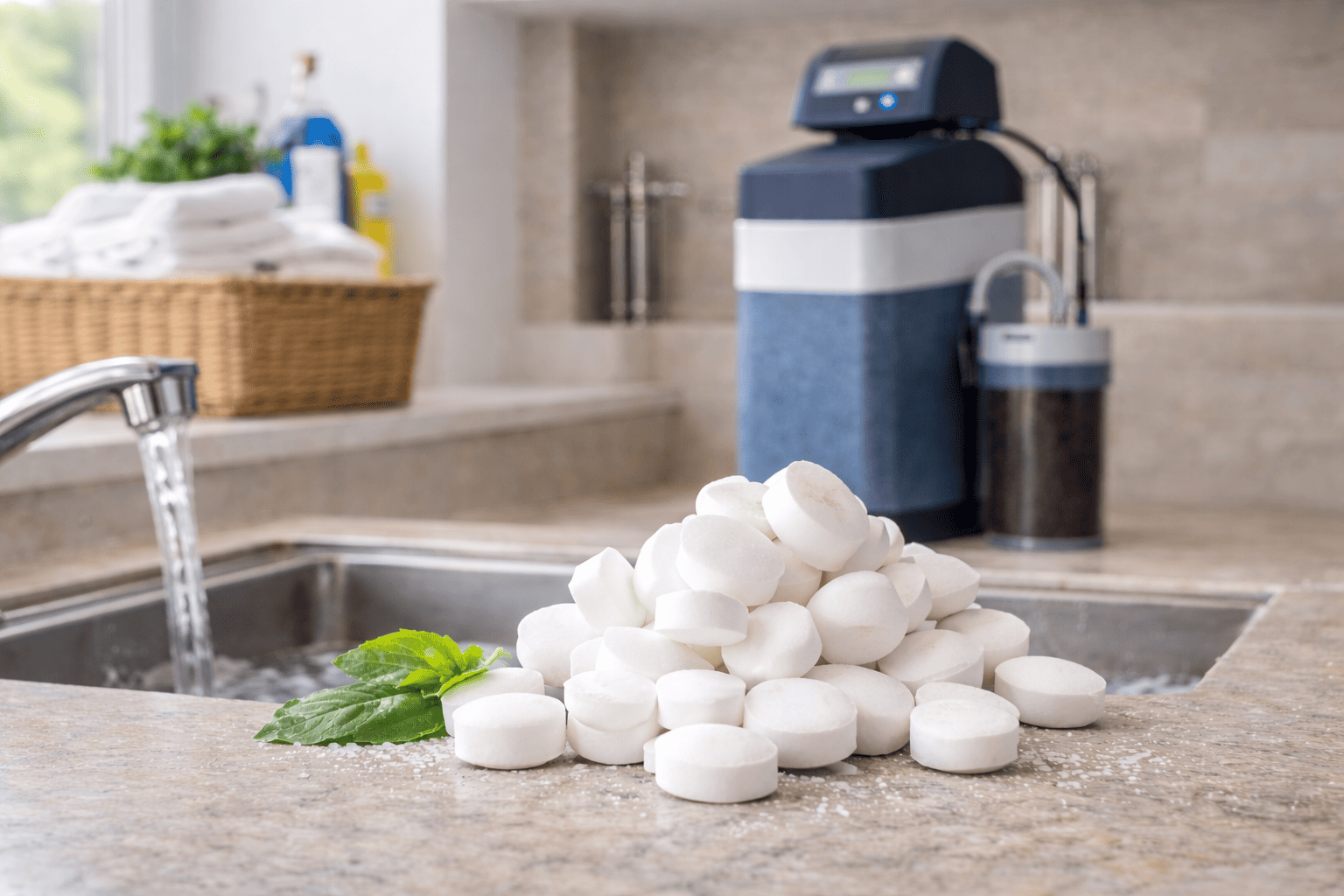
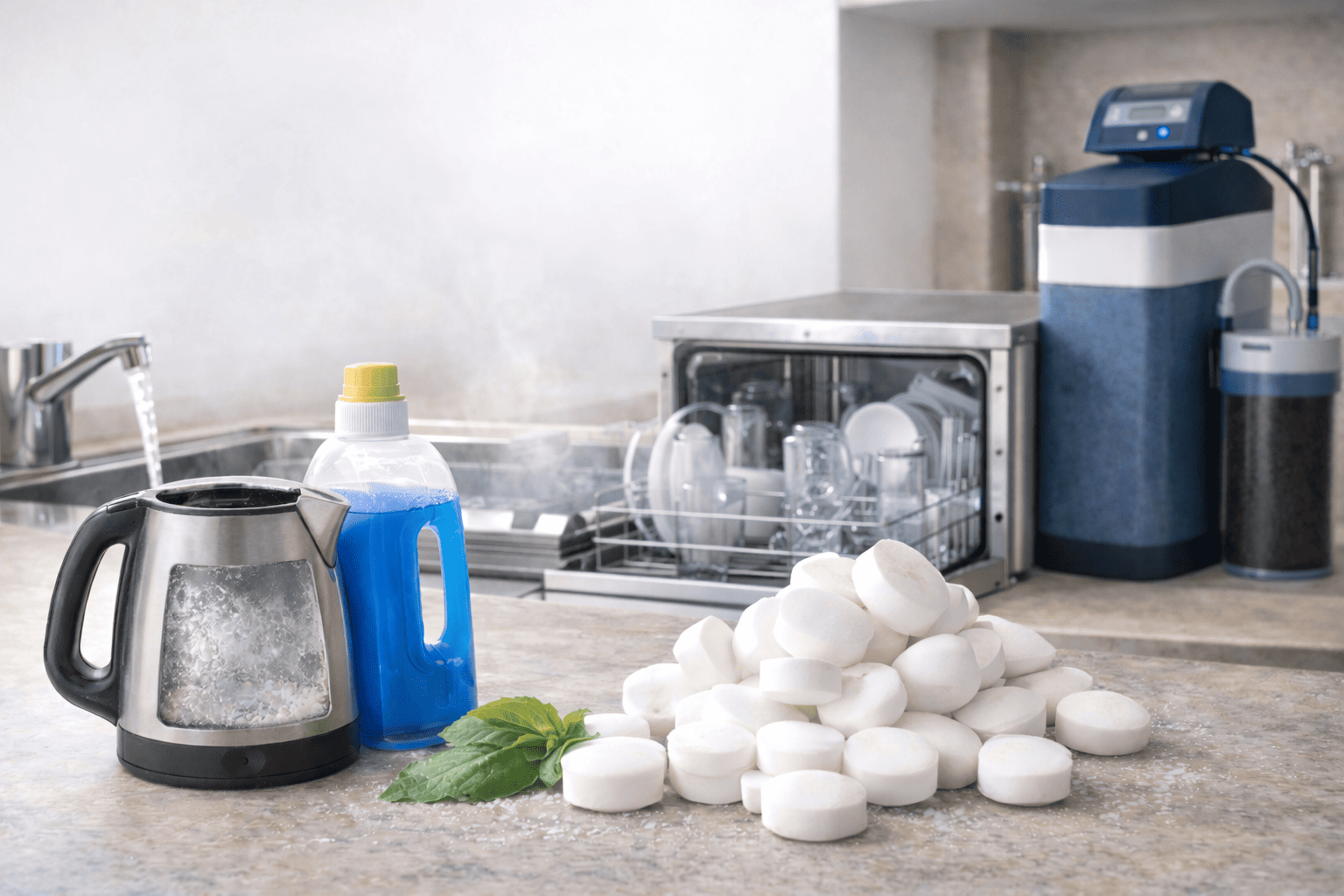
Limescale deposits in kettles, increased detergent consumption, and appliance failures – these are the consequences of high calcium and magnesium content in water. The solution is water softening, and regenerating salt plays a key role in this process. However, many myths have arisen around it. It's time to debunk them!
Inspirations
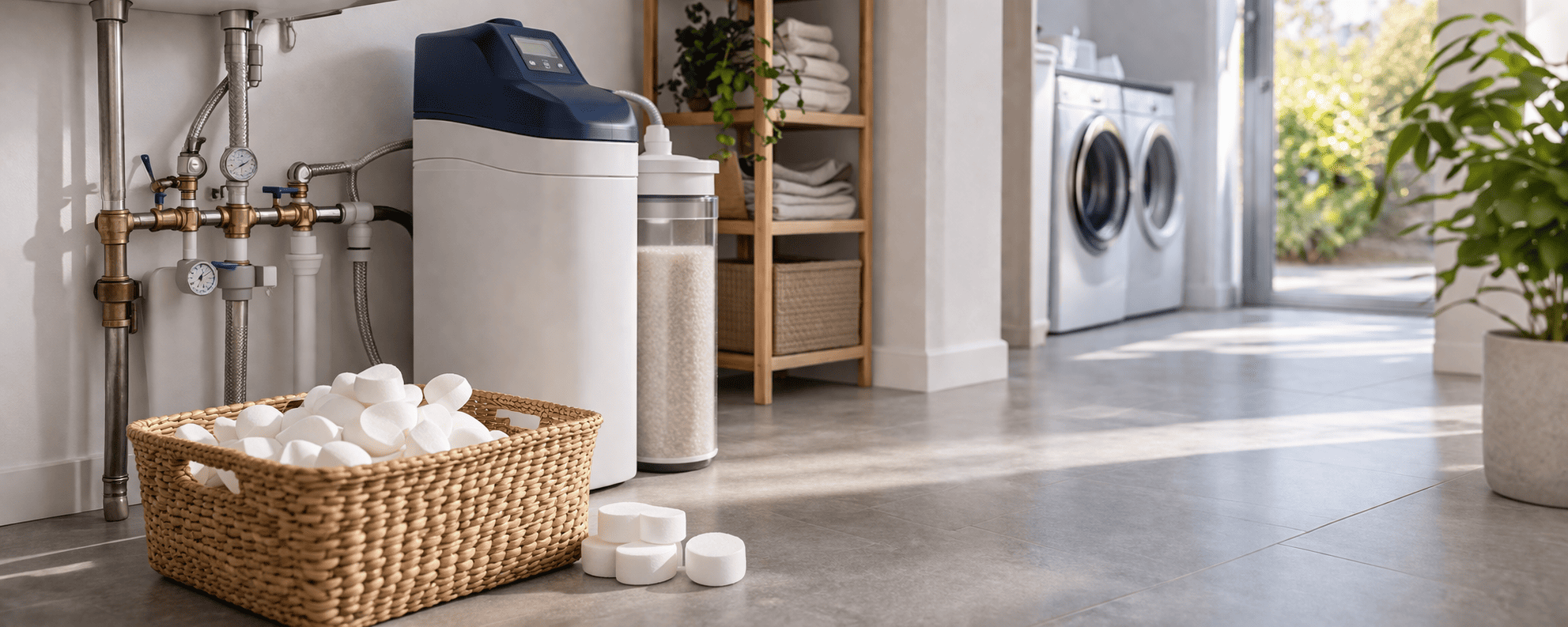
When planning a home construction or renovation, we typically focus on the visible elements: interior aesthetics, equipment selection, and spatial design. However, it's the solutions hidden "below the surface" that have the greatest impact on the system's durability and everyday comfort. One such element is a water softener, a device that is increasingly becoming a standard in modern, economical, and eco-friendly homes. It's worth considering it early, as the timing of installation is crucial both practically and financially.

Inspirations
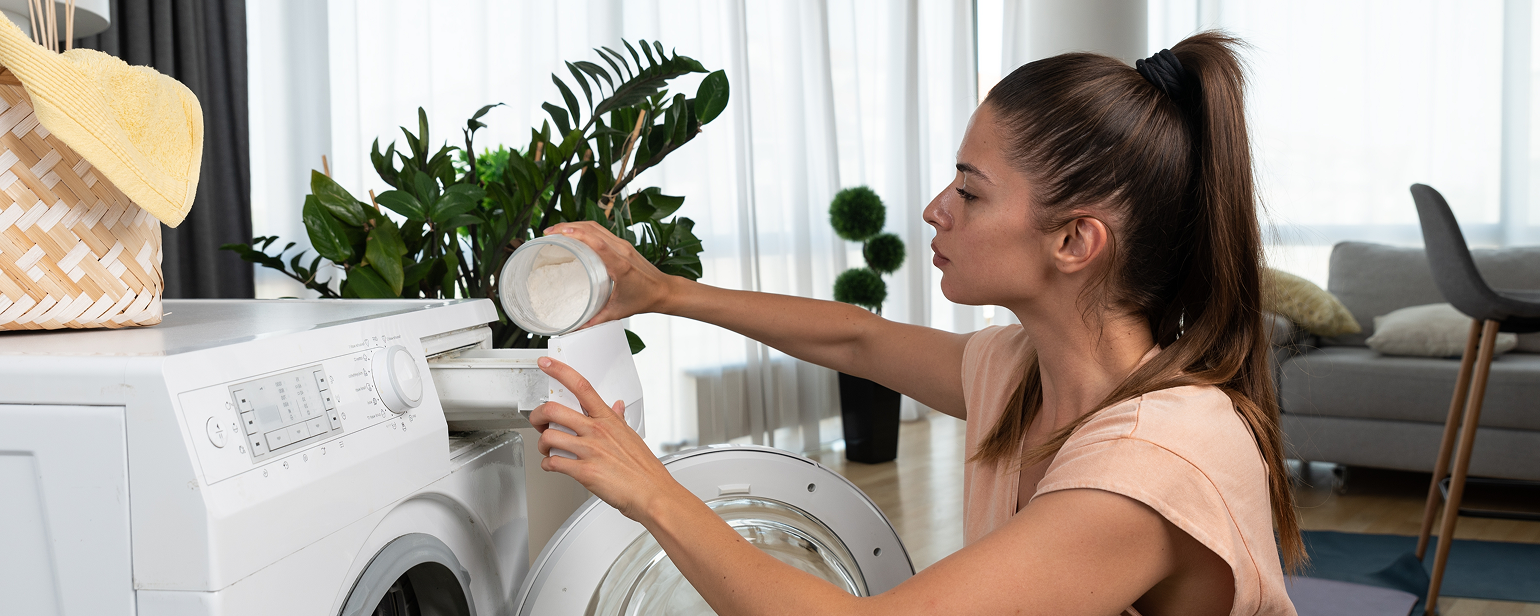
The quality of the water we use for daily care is crucial for the appearance and health of our skin and hair. Many homes in Poland have hard water, rich in calcium and magnesium. These minerals deposit on the skin and hair, disrupting their natural functions and impairing the results of skincare. For this reason, more and more people are choosing water softening, which brings visible improvements in just a few days.
Inspirations
Take care of your installations and equipment by using water softening. Hard water can lead to limescale buildup, which over time damages pipes and appliances. Water softeners remove excess minerals, extending the lifespan of your equipment and improving its efficiency. Regular water softening is key to ensuring your home installations run smoothly.